Indoor Cat Enrichment: DIY Toys, Play Routines & Home Tips
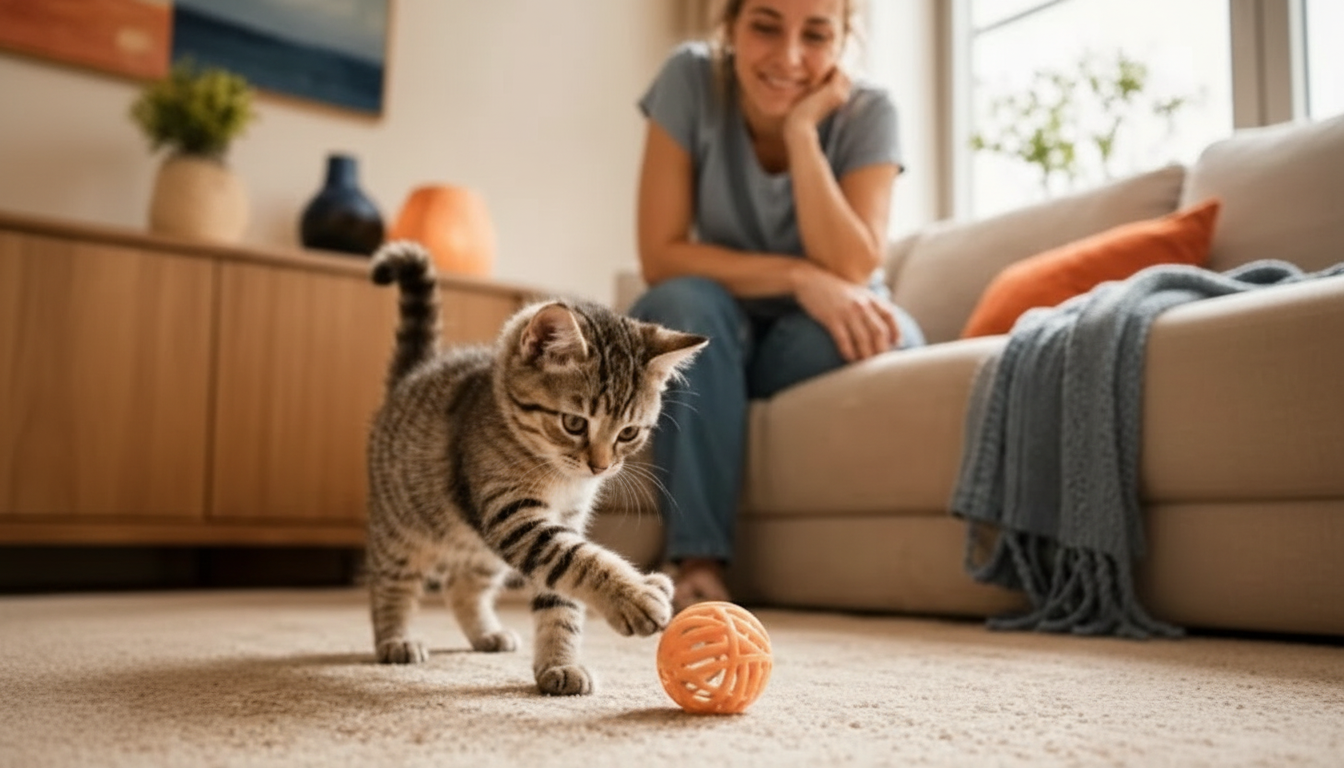
Enrichment Ideas for Indoor Cats: DIY Toys, Daily Play Routines, and a Cat-Friendly Home
Indoor cats thrive when their day includes hunting-style play, opportunities to climb and hide, and small changes that keep the home interesting. The goal is to meet natural needs—stalking, pouncing, scratching, chewing, exploring, and resting—without turning the household upside down. Use the ideas below to build a simple weekly plan, rotate activities to prevent boredom, and tailor options to your cat’s age, energy level, and confidence.
Start With the Cat’s Core Needs
Enrichment works best when it supports what cats are already built to do. Start with these “pillars,” then add variety in small, repeatable ways.
- Predatory play: short, intense “hunt cycles” (stalk → chase → pounce → catch) followed by a food reward when possible.
- Vertical territory: climbing and perching reduces stress and adds exercise in small spaces.
- Safe hiding and retreat spots: covered beds, boxes, under-chair tunnels; especially important for shy cats or multi-pet homes.
- Scratching and scent-marking: provide both vertical and horizontal scratch options placed near key pathways.
- Mental work: problem-solving for food and novel textures/scents to explore (cat-safe only).
- Rest and recovery: ensure quiet sleeping zones away from busy areas and litter/food stations.
Quick Match: Enrichment Type to Common Indoor Cat Challenges
| If you notice… | Try this enrichment | How often | Simple success sign |
|---|---|---|---|
| Nighttime zoomies | 2–3 short play sessions in the evening + puzzle feeding | Daily | Longer post-play naps |
| Door-dashing/escape attempts | Window perch + supervised harness time + scent trail games | 3–5x/week | Less fixation on the door |
| Overgrooming or restlessness | More vertical space + predictable routine + gentle foraging | Daily | More relaxed body language |
| Play biting hands/ankles | Wand-toy hunt cycle + kicker toy outlet | Daily | Bites decrease; targets toys instead |
| Weight gain | Puzzle feeders + “scatter feeding” + climbing routes | Daily | More movement; steady weight trend |
Easy Enrichment Ideas That Take 5 Minutes
Small, low-effort activities add up. When you keep them short, they’re easier to repeat—and cats often prefer quick bursts anyway.
- Box playground: cut 1–2 entry holes, add crumpled paper, rotate boxes weekly to keep novelty high.
- Paper-bag exploration: remove handles; add a sprinkle of catnip or silvervine (if tolerated).
- Window watching station: stable perch + a bird feeder outside (placed safely) for “cat TV.”
- Scent swap: rub a clean cloth on a safe outdoor object (like a porch chair) and place it near a scratcher for supervised sniff time.
- Treat toss “hunt”: toss single kibble pieces down a hallway to encourage short sprints (works best for food-motivated cats).
- Training micro-sessions: 1–3 minutes of sit, touch, or go-to-mat with tiny treats; builds confidence and focus.
If you’d like a ready-to-use routine instead of reinventing the wheel each week, use a rotation-style plan like the Printable cat enrichment guide with DIY toys and weekly play routines.
DIY Toys From Household Items (Safe Materials Only)
DIY cat toys can be fantastic—when they’re sturdy, supervised, and free of swallowable strings or bands. When in doubt, keep pieces oversized and retire anything frayed.
- Kicker sock toy: stuff a clean sock with fabric scraps, tie off securely; supervise if your cat chews fabric.
- Toilet-paper-roll puzzle: fold ends, cut small holes, add a few treats; roll to dispense.
- Crinkle trail: paper strips or kraft paper path (avoid plastic ribbons/strings) for stalking and pouncing.
- Feather-free wand swap: use fleece strips or sturdy fabric; avoid loose strings that can be swallowed.
- “Treasure basket”: a shallow bin with safe items (felt balls, large pom-poms, chunky springs) and rotate pieces every few days.
- Safety notes: avoid yarn, thread, hair ties, rubber bands, and anything small enough to swallow; supervise new toys and discard damaged items.
Build a Simple Daily Play Routine (Hunt, Catch, Eat, Groom, Sleep)
A predictable rhythm often reduces begging, rough play, and late-night chaos. Think “short sessions + consistency,” not marathon play.
Consistency is easier when the household is calm, too. If stress levels are running high (busy schedules, noise, changes), a simple self-care routine can help everyone stick to the plan—consider Break the Tension: Stress Relief Techniques for quick, practical ways to reset.
Cat-Friendly Home Tips: Layout, Litter, and Calm
For deeper guidance on indoor cat well-being, see the ASPCA’s indoor cat tips and the American Association of Feline Practitioners enrichment guidance.
Printable Planning: Turn Ideas Into a Week You Can Actually Follow
Printable Cat Enrichment Guide: A Simple Way to Stay Consistent
If you want a repeatable plan you can print and stick on the fridge, Enrichment Ideas for Indoor Cats | Printable Cat Enrichment Guide | DIY Toys, Play Routines, and Cat-Friendly Home Tips is designed to make daily enrichment feel manageable.
FAQ
What are easy cat enrichment ideas?
Try a box fort, a sturdy window perch for “cat TV,” a treat-toss hunt down the hallway, a 5-minute wand-toy session, a toilet-roll treat puzzle, a quick “touch” training cue, a paper bag (handles removed), and rotating only a few toys every couple of days.
How much play does an indoor cat need each day?
Many indoor cats do best with multiple short sessions totaling about 10–30 minutes per day, split into 2–3 play blocks. Kittens often need more frequent bursts, while seniors may prefer gentler play; ending with a small meal or treat helps complete the hunt cycle.














Leave a comment