Calm Anxiety Fast: Breathing, Grounding, Next Steps
How do I calm my anxiety?
Anxiety can feel urgent, but the fastest relief usually comes from calming your body first, then guiding your thoughts. Start with one or two simple actions you can do anywhere, then add longer-term habits that make anxious spikes less frequent.
What can I do right now to calm down?
Try a short “reset” routine: breathe in through your nose for 4 seconds, hold for 2, exhale slowly for 6–8 seconds, and repeat for 2–3 minutes. Next, ground yourself by naming 5 things you see, 4 you feel, 3 you hear, 2 you smell, and 1 you taste. If your body is restless, do 60–90 seconds of brisk movement (march in place, wall push-ups, or a quick walk) to help burn off adrenaline.
What helps reduce anxiety over the next few hours?
Lower stimulation and stabilize your basics: drink water, eat something with protein or complex carbs, and step outside for daylight if possible. Limit caffeine and nicotine, which can mimic anxiety symptoms. If racing thoughts loop, write them down as short bullet points, then add one practical next step you can take today—keeping the action small makes it easier to start.
How do I build longer-term calm?
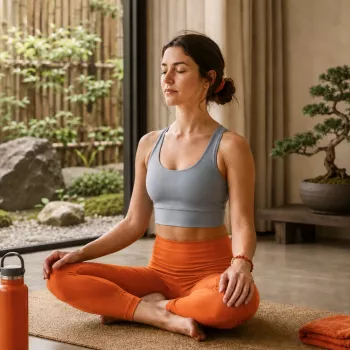
Consistency matters more than intensity. Aim for regular sleep and wake times, daily movement, and a few minutes of breathing or meditation practice most days. Cognitive tools like labeling thoughts (“this is a worry story”) and gently redirecting attention can reduce the grip of anxious thinking. If anxiety is frequent, disruptive, or paired with panic attacks, working with a licensed therapist (especially CBT) can provide structured, lasting relief.
For a deeper walkthrough and additional calming strategies, visit the full guide on calming anxiety.
FAQ
What are signs my anxiety might need professional help?
If anxiety interferes with work, school, sleep, relationships, or causes panic attacks, it’s a strong signal to seek support. Help is also important if you’re avoiding normal activities, using substances to cope, or having thoughts of self-harm.














Leave a comment