Smart Traveler Enrollment (STEP): Is It Worth It?
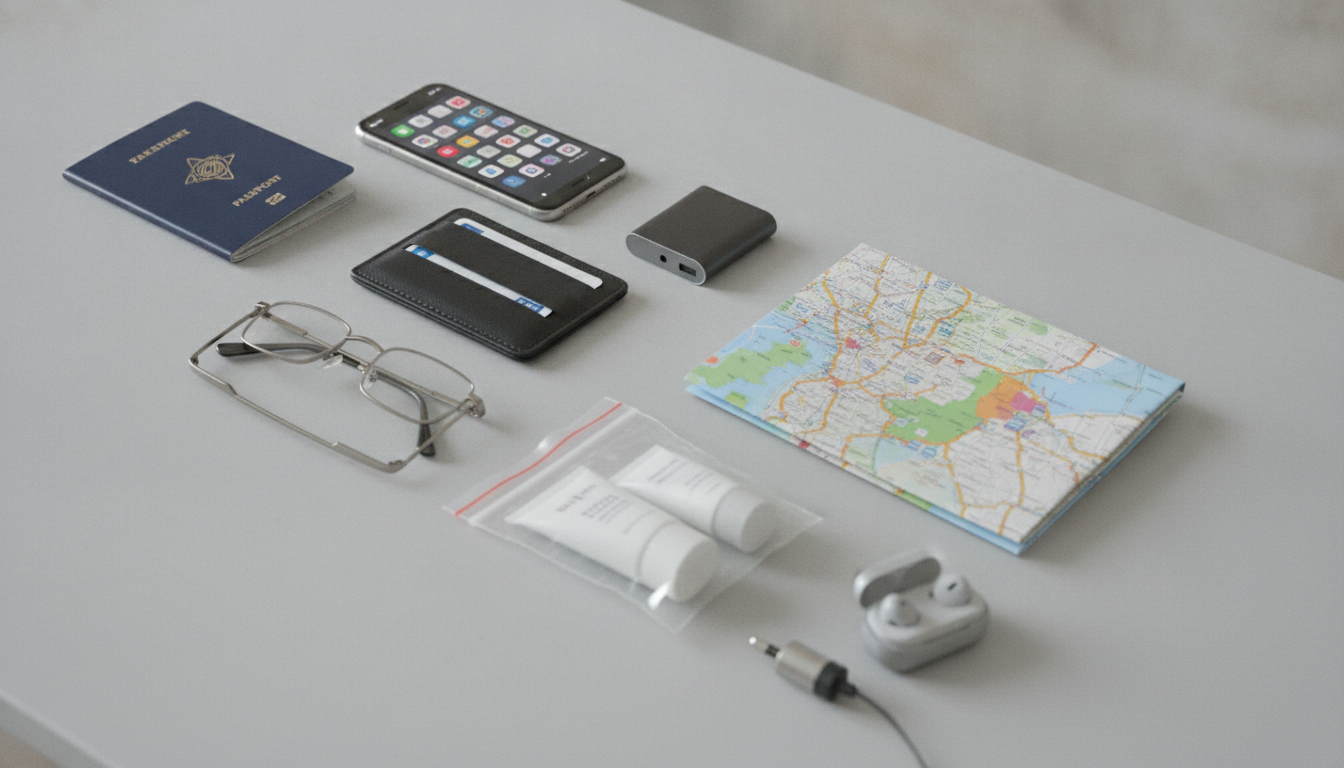
Should you enroll in the Smart Traveler Program?
If you’re a U.S. citizen traveling or living abroad, enrolling in the Smart Traveler Enrollment Program (STEP) is generally a smart, low-effort safety step. It’s a free service run by the U.S. Department of State that connects your trip details with the nearest U.S. embassy or consulate, making it easier to share timely updates and provide help during disruptions.
What STEP can do for you
Enrollment can help you receive security alerts, health notices, and other destination-specific messages that may affect your plans. If conditions change quickly—like civil unrest, severe weather, or transportation shutdowns—those notifications can help you adjust sooner rather than later. STEP can also make it easier for family or friends to contact you through official channels in a serious emergency.
Who benefits most from enrolling
STEP is especially useful for international travelers going to unfamiliar destinations, longer trips, multi-country itineraries, or places with higher security risks. It can also be valuable for students studying abroad, cruise passengers stopping at multiple ports, and anyone with medical or mobility concerns who wants an extra layer of preparedness.
Any downsides to consider?
The main “cost” is a few minutes to enter your travel details and keep them updated if plans change. Some travelers worry about sharing information, but STEP is designed for consular assistance and official communications, not marketing. If privacy is a concern, limit details to what’s needed and update only when necessary.
Bottom line
For most trips, enrolling is a practical choice: it’s free, quick, and can improve access to reliable updates and support when things go sideways. For a deeper breakdown of benefits, limitations, and how it works, visit the main guide: Should you enroll in the smart traveler program?
FAQ
What information do you need to enroll in STEP?
You typically provide basic contact details, passport information, and your travel dates and locations. Keeping your itinerary current helps the nearest embassy or consulate reach you with relevant updates.















Leave a comment