Do More With Less: Meaning, Benefits, and Easy Steps
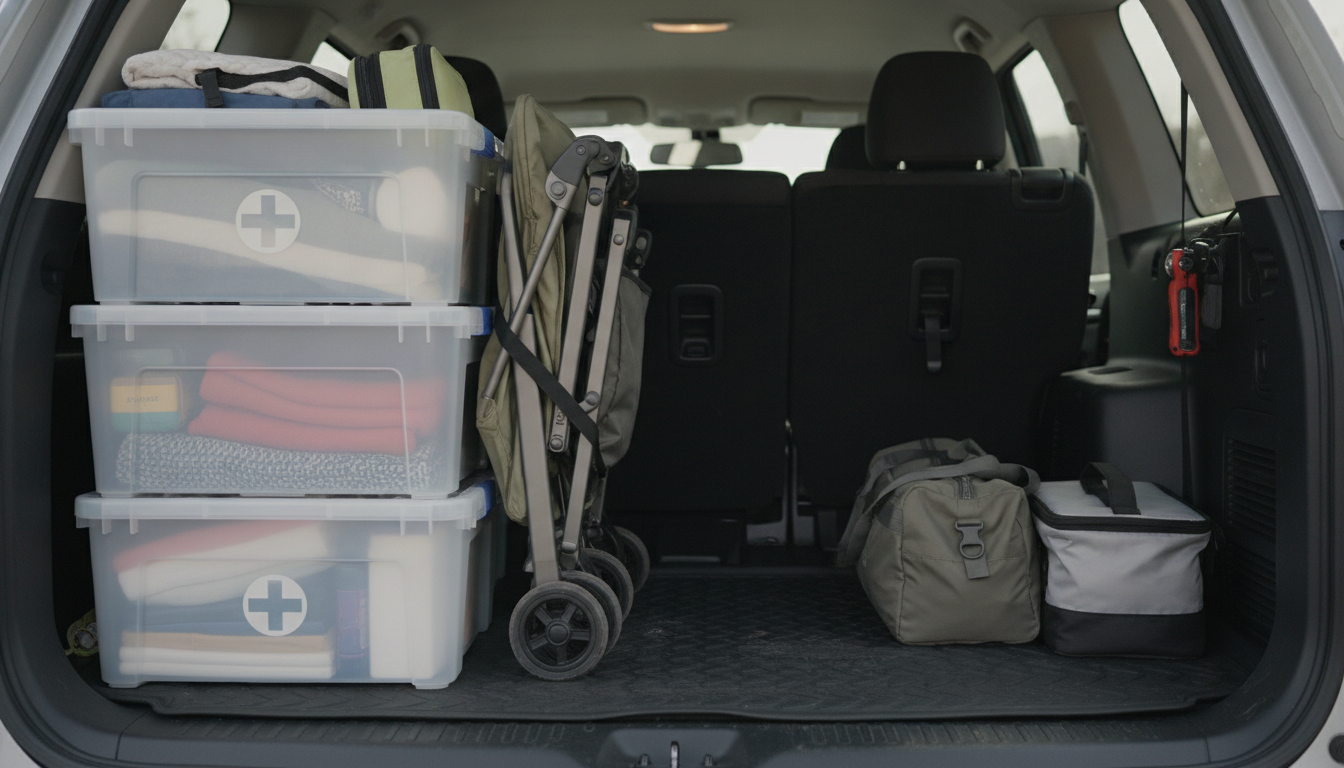
What does it mean to do more with less?
To do more with less means getting stronger results while using fewer resources—less time, money, space, energy, or materials. It’s a practical mindset that prioritizes what actually moves the needle and trims anything that doesn’t. Instead of chasing “more” by piling on extra effort, it focuses on smarter choices, better systems, and intentional trade-offs.
How “more with less” looks in everyday life
In daily routines, doing more with less often starts with simplifying. That could mean streamlining a morning routine to free up time, choosing multipurpose items that reduce clutter, or planning meals to cut waste and grocery spending. The goal isn’t deprivation—it’s clarity: fewer distractions, fewer duplicates, and fewer decisions that drain attention.
Why it matters for budgets, space, and sustainability
When resources are tight, the concept becomes a way to stay flexible without sacrificing quality. In a home, it can mean making a small space function like a larger one through smart storage and versatile furniture. In a budget, it can mean buying fewer items but choosing ones that last longer. It can also support sustainability by reducing overconsumption and minimizing waste.
How to start doing more with less
Begin by identifying the “high-impact” areas—where a small change produces a big payoff. Look for repeat tasks you can standardize, items you can repurpose, and habits that create friction. Simple examples include setting up a dedicated drop zone for keys and bags, using a weekly plan to avoid last-minute spending, or choosing products that serve multiple needs rather than single-use extras.
For more ideas and examples, visit the full guide on doing more with less.
For Do More With Less: Meaning, Benefits, and Easy Steps, the best answer depends on fit, material, care instructions, and how the product will be used day to day.
FAQ
What are some practical ways to reduce waste at home without feeling deprived?
Focus on using what you already own, planning purchases, and choosing reusable options where they genuinely fit your routine. Small shifts like meal planning, storing leftovers properly, and avoiding duplicates can cut waste while keeping life comfortable.















Leave a comment