Cat Sadness Signs: Body Language to Watch
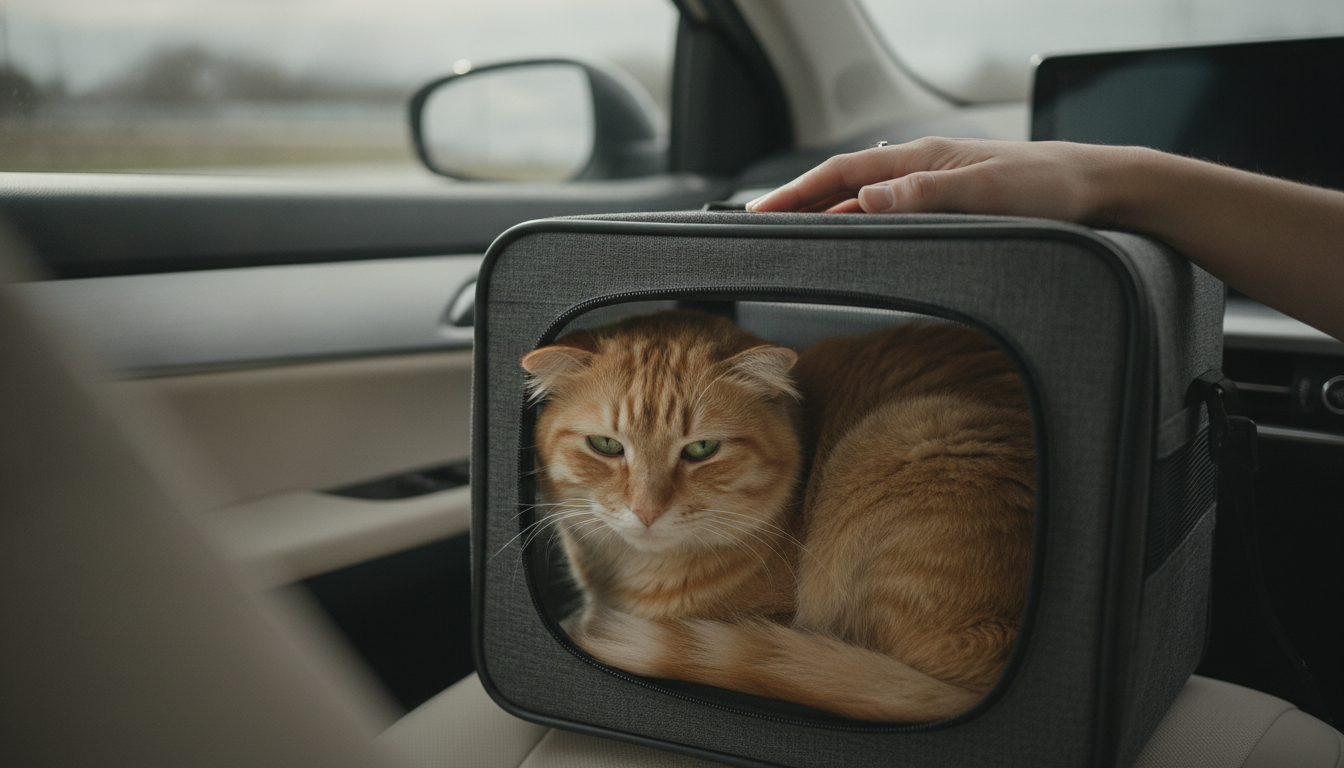
How to tell if a cat is sad body language?
Cats can look “fine” while feeling emotionally off, so body language is often the first clue. A sad or low-mood cat commonly appears quieter, less engaged, and physically closed off compared to their normal self. The key is noticing changes that last more than a brief moment and don’t match the situation (like a loud noise or a new visitor).
Common body language signs a cat may be sad
Low, still posture: A sad cat may sit or lie with their body tucked in, shoulders slightly hunched, and movements slower than usual. Some cats choose corners or under-furniture spots more often.
Tail held low or tucked: Instead of a relaxed upright tail or gentle swishing, you may see a tail that stays down, close to the body, or wrapped tightly around the paws. A tail that barely moves can signal low energy or withdrawal.
Ears turned sideways or back: “Airplane ears” (rotated outward) or ears held back for long periods can indicate discomfort or stress that sometimes shows up alongside sadness.
Soft, guarded face: Look for half-closed eyes, reduced blinking, or a distant stare. Some cats show a slightly tense mouth or whiskers held back rather than neutrally forward.
Reduced social signals: A cat that usually greets you may stop head-butting, rubbing, or following you from room to room. They may also tolerate touch less, or conversely become unusually clingy.
How to confirm it’s sadness (and not something else)
“Sad” body language can overlap with pain or illness. If the change is sudden, lasts longer than a day or two, or comes with appetite changes, hiding, litter box changes, vomiting, or limping, a vet check is the safest next step. If the timing lines up with a big change (moving, new pet, schedule shift), the mood shift may be stress-related.
What to do right away
Keep routines steady, offer quiet companionship, and add low-pressure enrichment (interactive play, puzzle feeders, a perch by a window). Give your cat choice: let them approach rather than forcing cuddles. For a quick refresher on signals like tail positions, ear angles, and vocal cues, see the guide here: cat body language cheat sheet.
FAQ
Why is my cat suddenly hiding more than usual?
Hiding can be a response to stress, a change in the home, or physical discomfort. If it’s paired with eating less, litter box changes, or sensitivity to touch, schedule a veterinary exam to rule out pain or illness.














Leave a comment