How Cats Say Hello: Tail Up, Slow Blinks & Trills
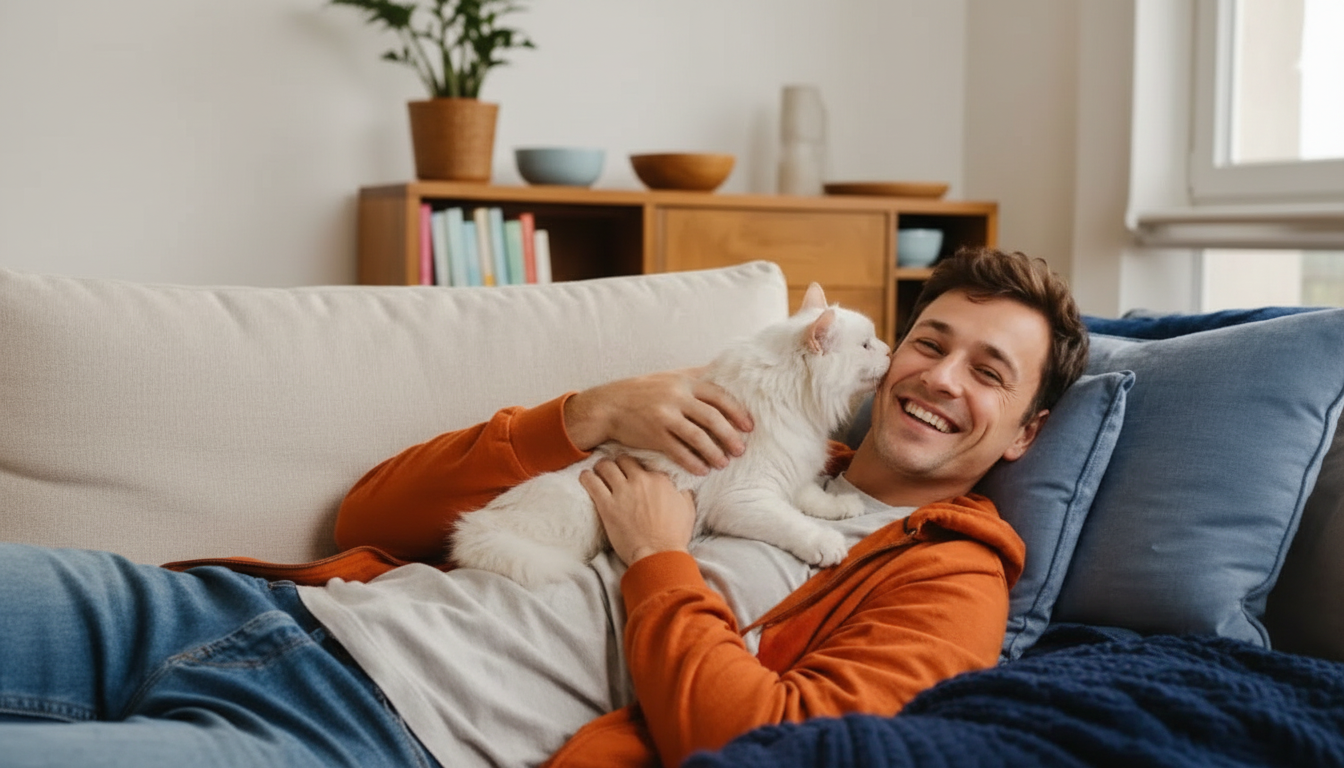
What is hello in cat language?
Cats don’t usually “say hello” with one single sound the way people do. A cat greeting is more like a bundle of signals—body language, facial expressions, and a few short vocal notes—that add up to “I see you, I’m friendly, and I’m comfortable here.”
The most common “hello” signals cats use
Tail up (often with a little hook at the tip): This is one of the clearest friendly greetings. When a cat walks toward you with an upright tail, it’s essentially an open, social “hi.”
Slow blink: A relaxed, half-lidded look followed by a slow blink is a calm greeting and a sign of trust. Many cats will slow blink as they approach or when they first make eye contact.
Head bunting and cheek rubbing: When a cat gently bumps your hand or leg with their forehead or rubs their cheeks on you, they’re greeting you and leaving familiar scent from facial glands. It’s social bonding, not “marking” in a negative way.
Sniffing: Cats often greet nose-first. A brief sniff of your hand, clothing, or the air around you helps them confirm who you are and what’s changed since last time.
Soft chirps, trills, or short meows: Many cats use quick, upbeat sounds—especially trills—to greet people or other cats they like. A single “mrrp” at the doorway can be a very real hello.
How to say “hello” back in a way cats understand
Approach calmly, turn your body slightly sideways (less intense than facing head-on), and offer a relaxed hand for a sniff. If your cat seems comfortable, try a slow blink and look away briefly. Let your cat choose whether to rub, bump, or come closer—pushing contact can turn a friendly greeting into “too much.”
When a “hello” is actually a warning
If the tail is low, puffed, or whipping; ears are flattened; or the cat is stiff and staring, that’s not a greeting—it’s discomfort or agitation. For a deeper look at these signals and how they combine, see the full guide: cat body language cheat sheet and signal guide.
FAQ
Why do cats slow blink at people?
Slow blinking is a relaxed social signal that communicates comfort and trust. Many cats will slow blink to greet someone they feel safe around, and returning a slow blink can help keep the interaction calm.












Leave a comment